Connecting Forces for Social Innovation: Dublin Hosts Europe’s National Competence Centres
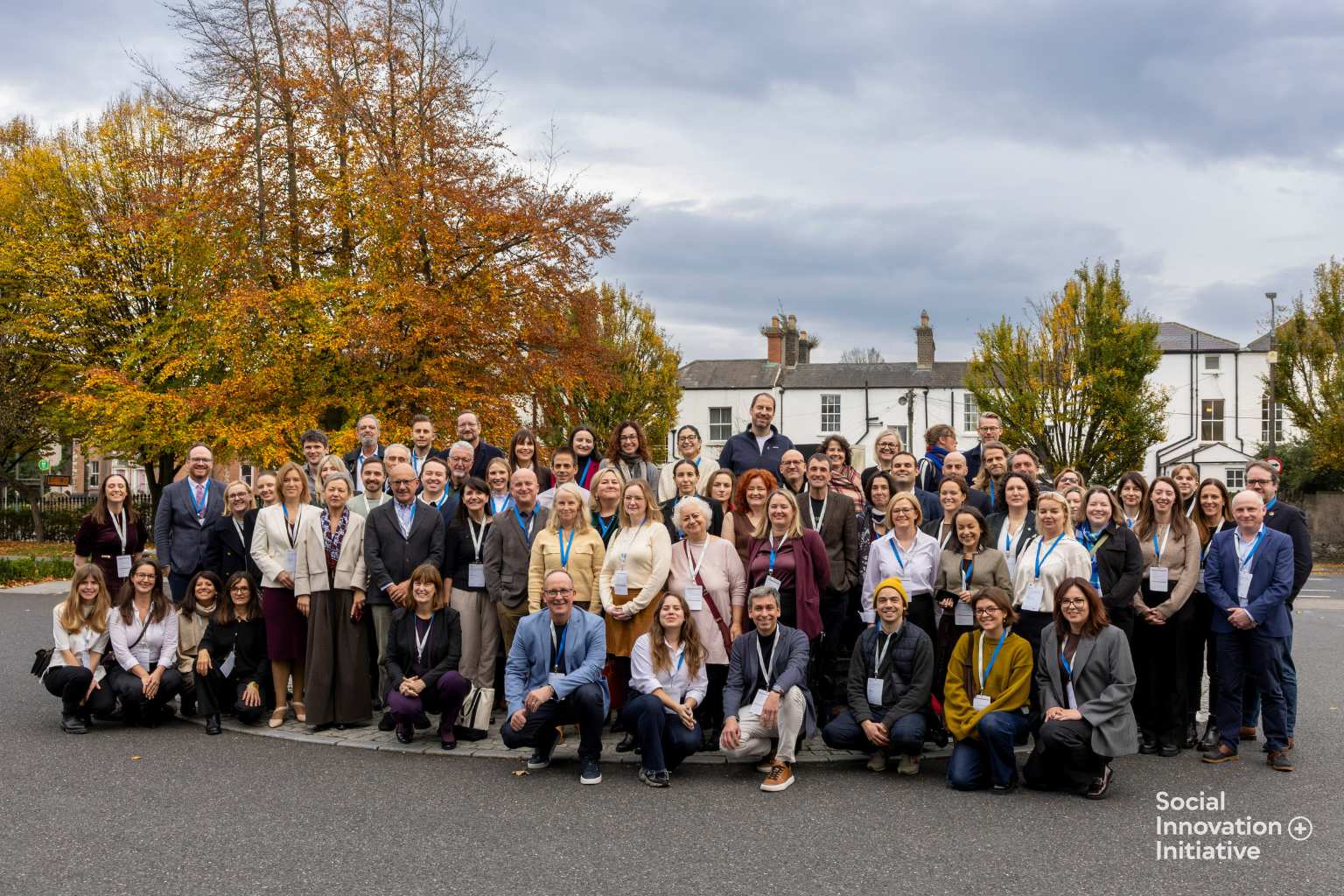
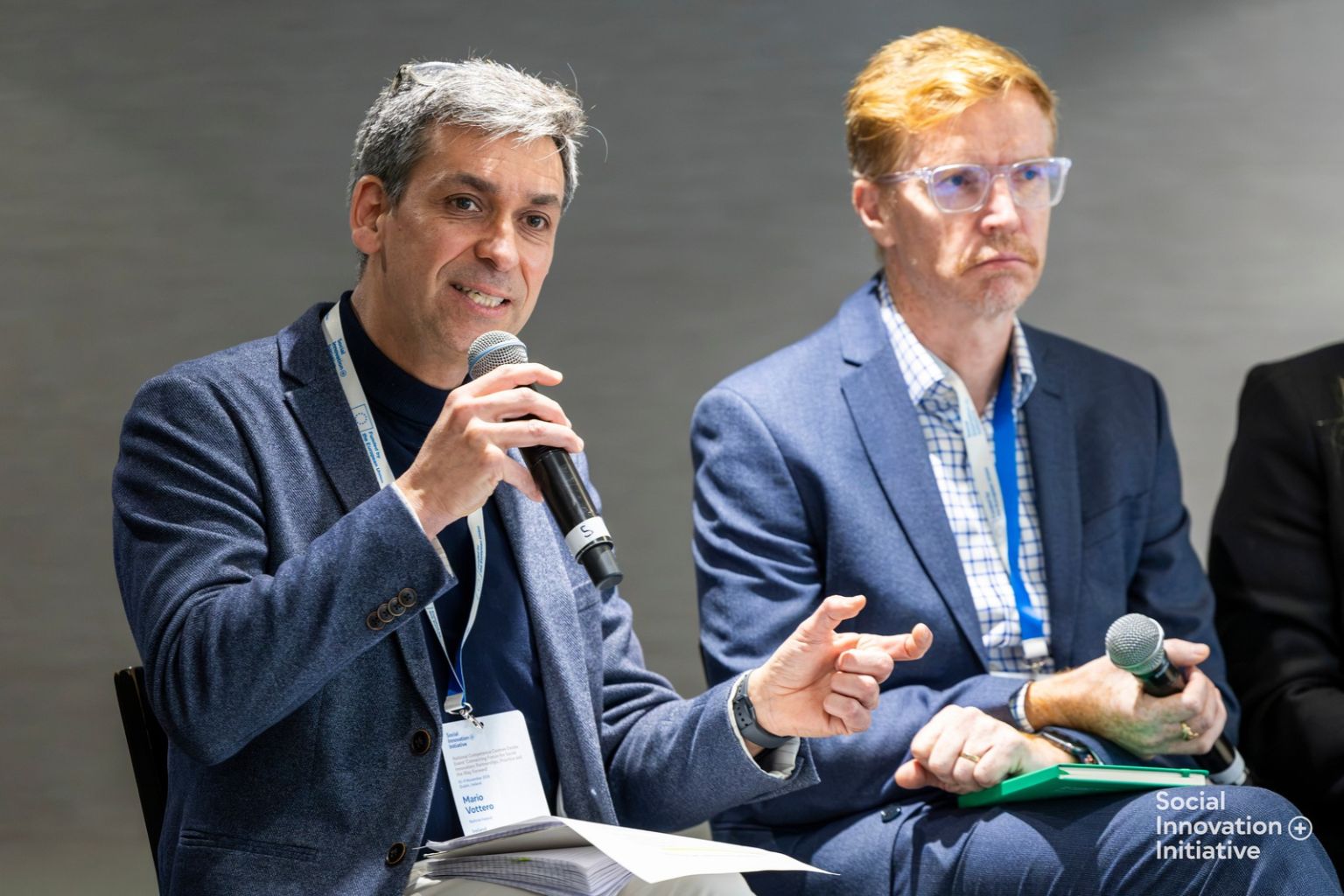
On 10–11 November 2026, we welcomed 79 participants from 23 EU Member States for the mutual learning event “Connecting Forces for Social Innovation: Partnerships, Practice and the Way Forward” hosted by the Social Innovation+ Initiative. The two days brought together National Competence Centres for Social Innovation from across Europe to explore a key question: how can public authorities, philanthropy, business and social innovators work better together?
As Ireland’s National Competence Centre for Social Innovation (NCCSI), Rethink Ireland and Genio were delighted to host our European colleagues and share the Irish experience alongside examples from other countries. Through panel discussions, project visits and interactive workshops, participants exchanged practical approaches to cross-sector cooperation, named common challenges, and identified lessons for the future work of National Competence Centres.
Below, you can find some key learnings from across the two days:
Although Ireland has an abundance of social innovation, the task is helping it scale
Opening the event, Bairbre Nic Aongusa, Assistant Secretary at the Department of Rural and Community Development and the Gaeltacht, stated that Ireland does not lack innovation. The real task is building a clear pathway to scale and strengthen what already works.
That framing ran through both days. Social innovation rarely grows because of one funder or one policy. It grows when the State, philanthropy, business and communities each bring what they do best (funding, expertise, reach, local knowledge) and line those strengths up behind the same goal.
Philanthropy and the State: Different Roles, Shared Purpose
A panel on public-private collaboration explored how public and philanthropic funders can complement each other rather than overlap. Because philanthropic funding can be more flexible and willing to take early risks, it can test new ideas at the root of a social challenge. Government, in turn, brings the scale, stability and policy levers needed to embed what works. When the two are designed to connect, promising pilots have somewhere to go next.
How our European Partners Finance Social Innovation
Colleagues from Ireland, Greece, Romania and Italy shared the financial models they use to resource social innovation. The range was striking:
- Match funding, where public or philanthropic money is paired with other sources to multiply impact.
- Crowdfunding, which raises money and builds a base of committed supporters at the same time.
- Community-owned local banks, which keep capital circulating within the communities they serve.
No single model fits every context. But seeing them side by side showed how much room there is to diversify the funding mix, and how cross-sector partnerships make that possible.
Hearing Directly from Social Innovations
The programme also put the spotlight on Irish social innovation in practice, with four projects sharing their work:
- Trinity Centre for People with Intellectual Disabilities (TCPID), which opens up higher education at Trinity College Dublin to people with intellectual disabilities.
- HSE National Social Inclusion Office, which works to improve access to health services for people facing social exclusion.
- Mental Health Engagement and Recovery, which puts the voices of people with lived experience, family members and carers at the heart of mental health services.
- Spraoi agus Spórt, an award-winning social enterprise in Carndonagh, Inishowen, Co. Donegal, tackling disadvantage in its rural region.
“Never underestimate what a rural community can build when given the space.”
Helen Nolan, Co-founder and CEO, Spraoi agus Spórt
The way Forward
The key takeaway from Dublin was clear. Cooperation between public authorities, philanthropic organisations, businesses, and social innovators brings together different resources, expertise, and perspectives. That combination supports the development of social innovation, its wider application, and the work of National Competence Centres across Europe.
For the Irish NCCSI project, the event reinforced our role as a connector, bringing partners together so that good ideas in Ireland find a clear pathway to scale.
As Mario Vottero, Head of Impact at Rethink Ireland, reflected:
“One of the strongest messages from the event was that lasting impact happens when different sectors play to their strengths. Public authorities, philanthropy, communities, businesses and social innovators each bring unique expertise, resources and perspectives. When these are aligned, innovative solutions have a greater opportunity to grow, reach more people and create lasting change.”
A huge thank you to our partners at Genio, the Department of Rural and Community Development and the Gaeltacht, The Department of Further and Higher Education, Research, Innovation and Science, the European Commission, ESFA, Social Innovation+ Initiative, our speakers, awardees and all participants who contributed their experience, ideas and insights.
Learn more about National Competence Centre for Social Innovation here.